
Last updated September 21, 2026
Free on-site gate assessment - hinges, posts, and your LiftMaster or Nice gate operator checked before anything is quoted
The assessment is free and the quote is the invoice.

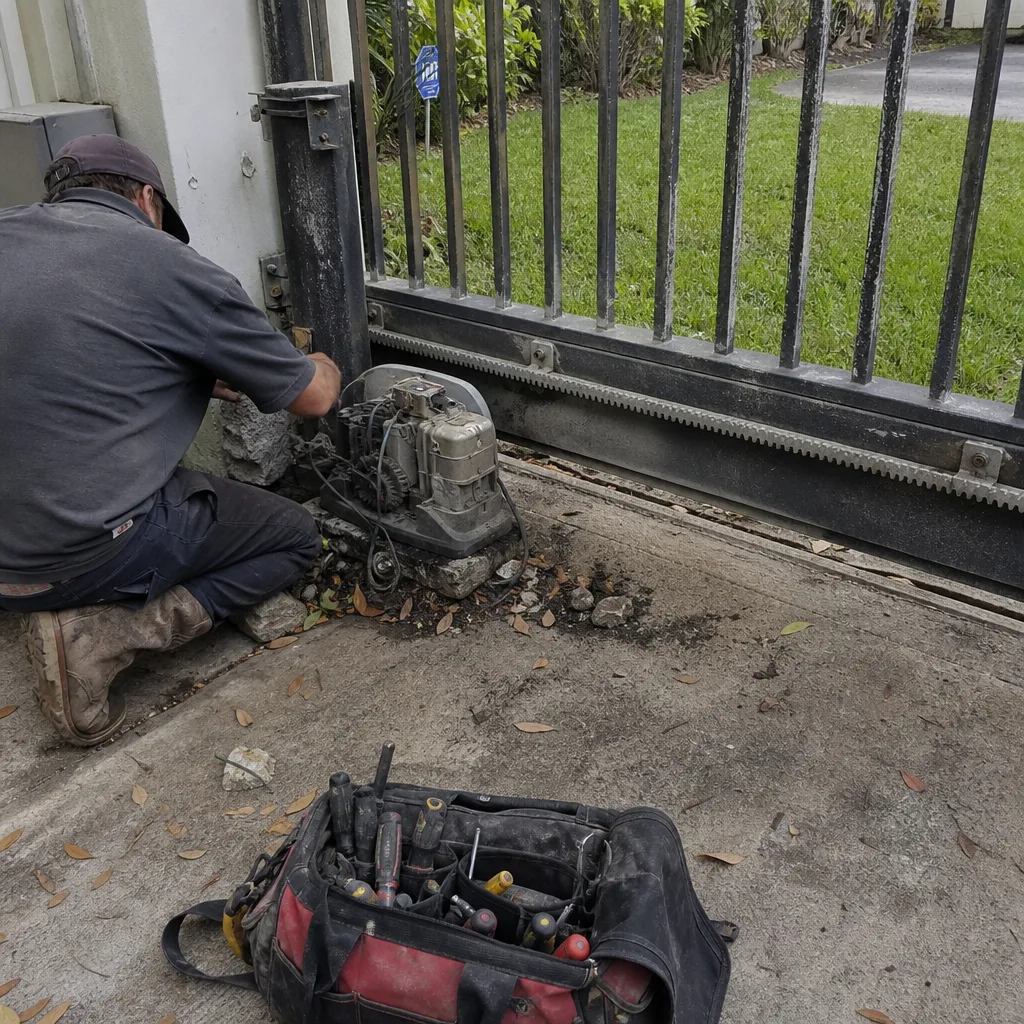 Before
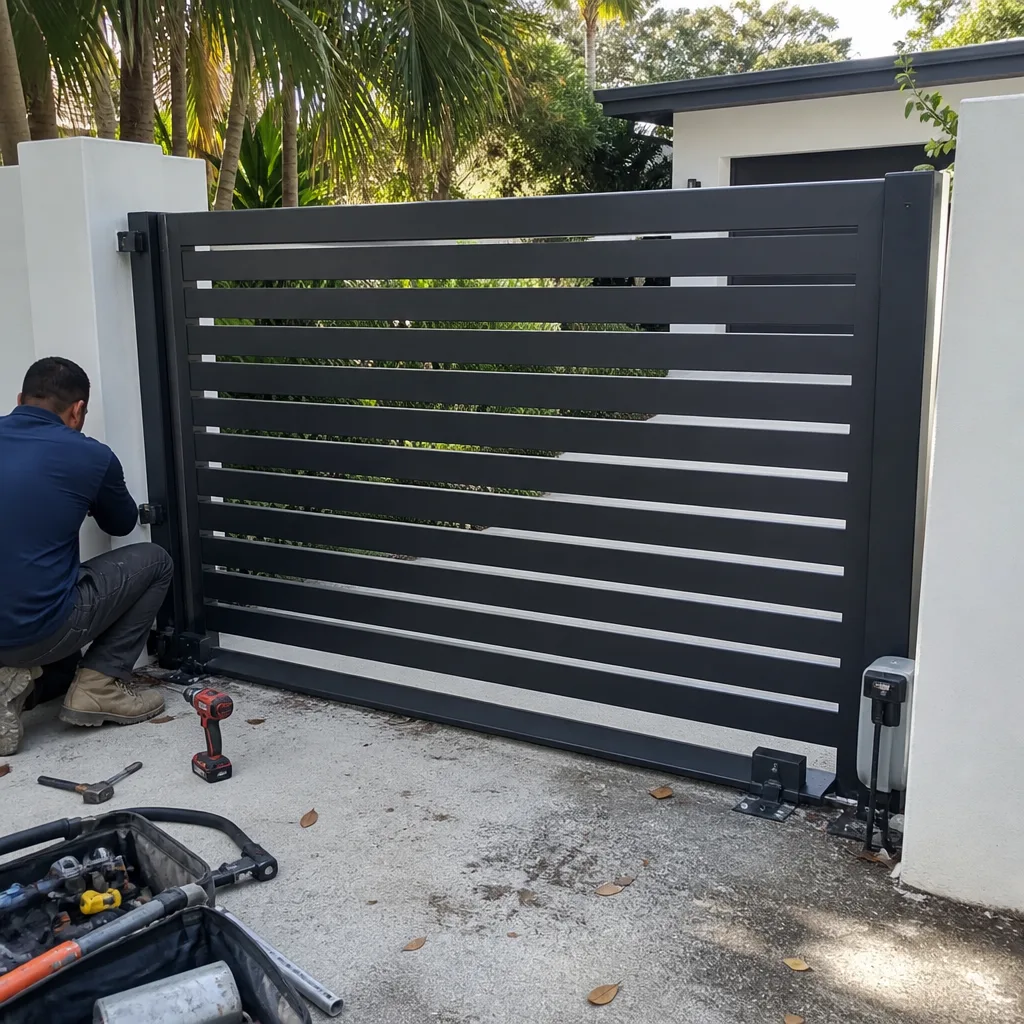 After
After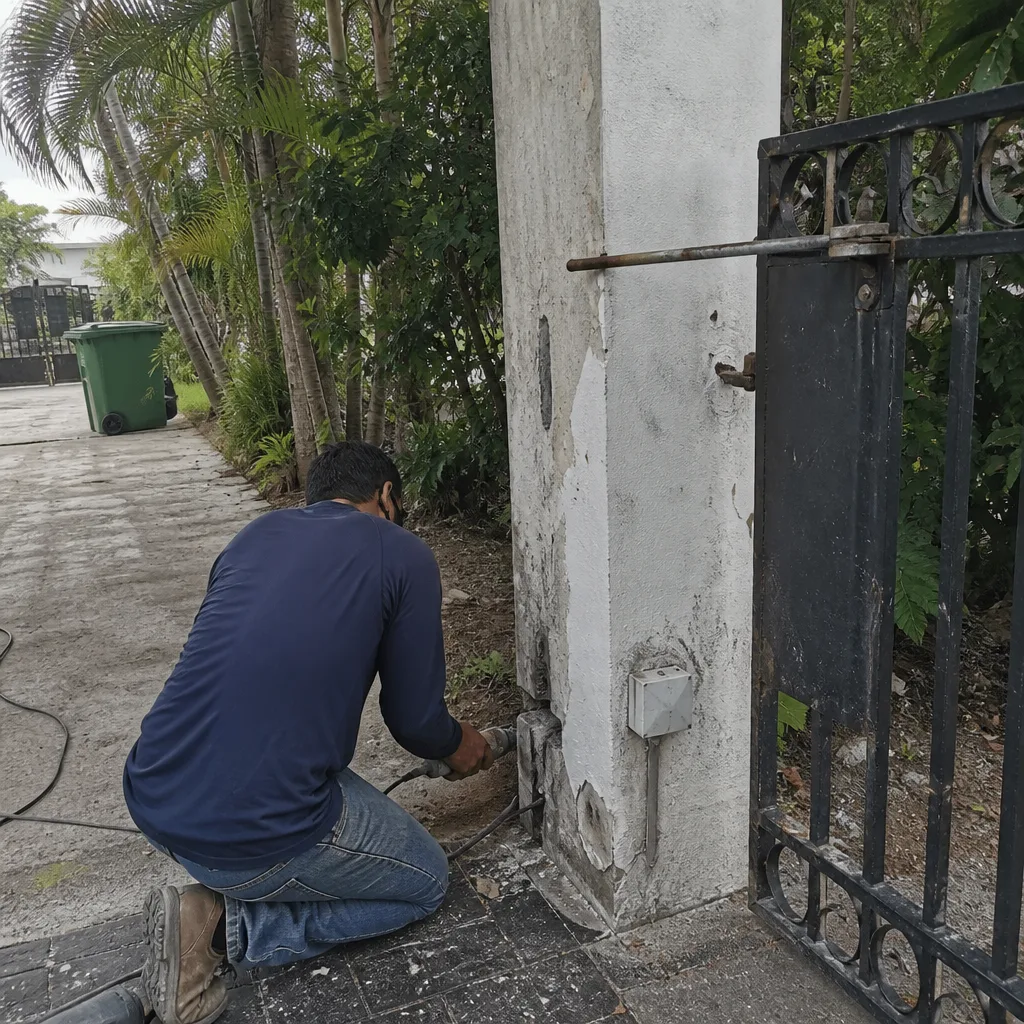 Before
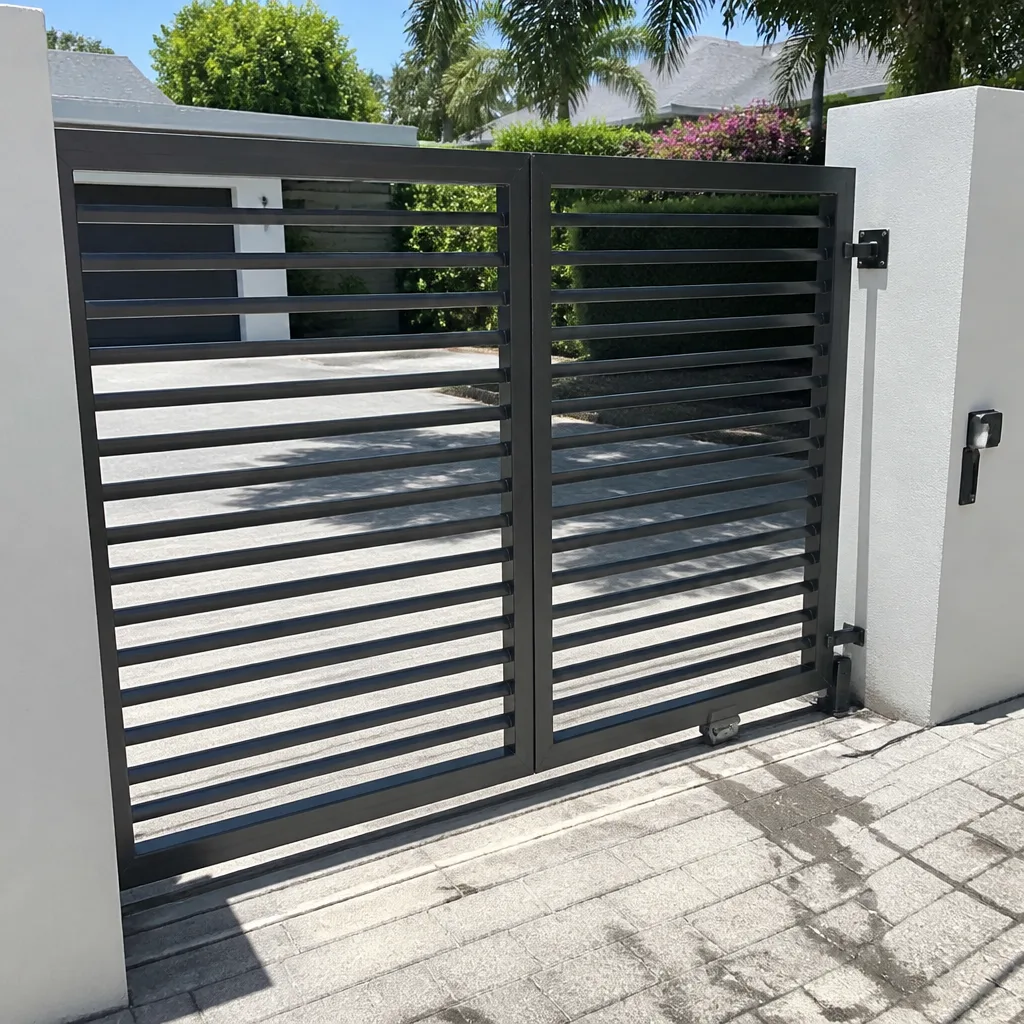 After
After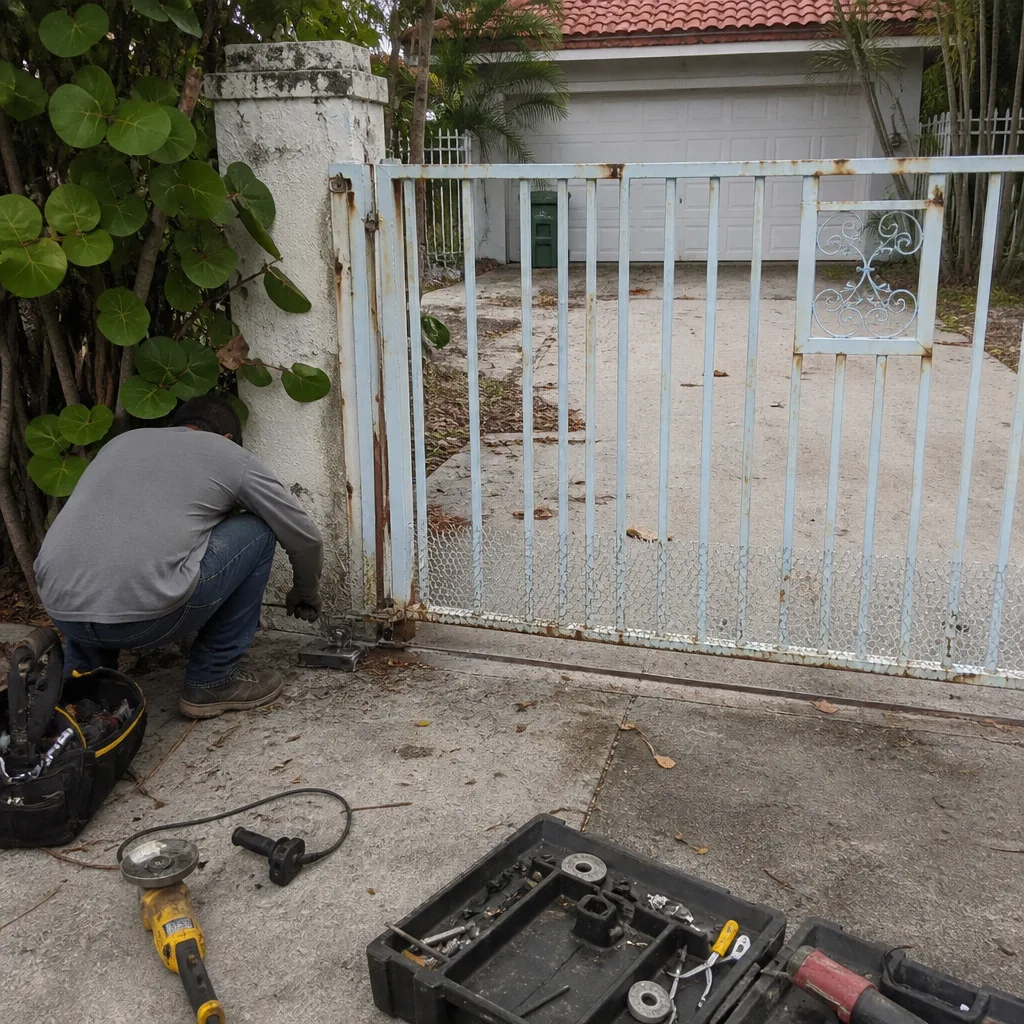 Before
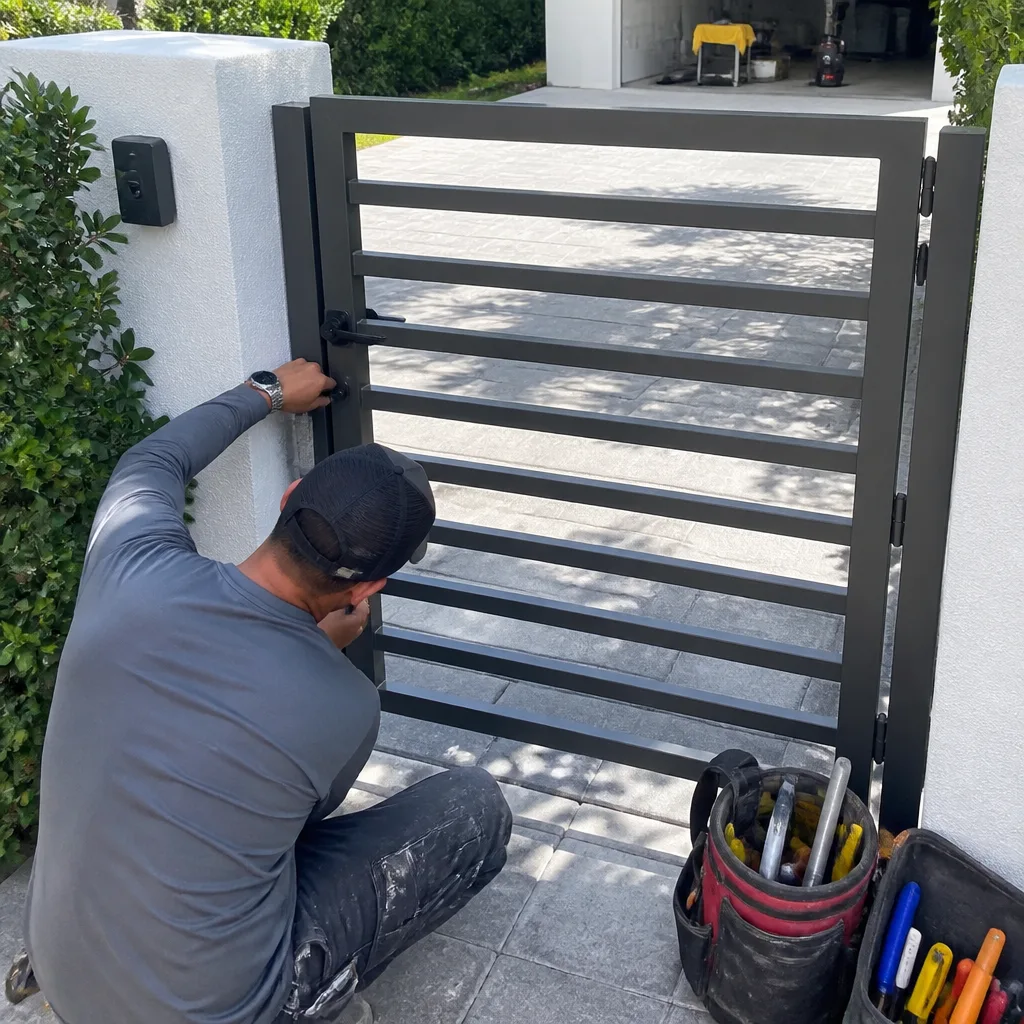 After
AfterSeasonal Gate Repair Care for Miami Beach: Year-Round Homeowner’s Guide
Lubricating a gate operator the week before hurricane season is not just useless - it can trap salt particulate against motor seals if done with the wrong product, which is why timing and product type are inseparable in South Florida maintenance. Miami Beach gates don’t fail like gates in Chicago or Phoenix. The marine air here carries chloride ions that embed in grease, the limestone substrate shifts differently than clay, and the city’s two real stress periods - hurricane season and winter snowbird occupancy - create completely different failure modes. This guide maps what to do, when to do it, and what to document, based on the 22,000+ gates we’ve handled through our Gate Repair services since 2014.
Quick Answer
Gate maintenance in Miami Beach should follow two distinct cycles: a pre-hurricane mechanical and electrical inspection completed by May 15, and a winter occupancy systems check completed before November 1 when snowbird traffic peaks. Between these windows, low summer usage creates its own risks - dry seals, depleted backup batteries, and salt accumulation without the flushing action of regular cycling.
Table of Contents
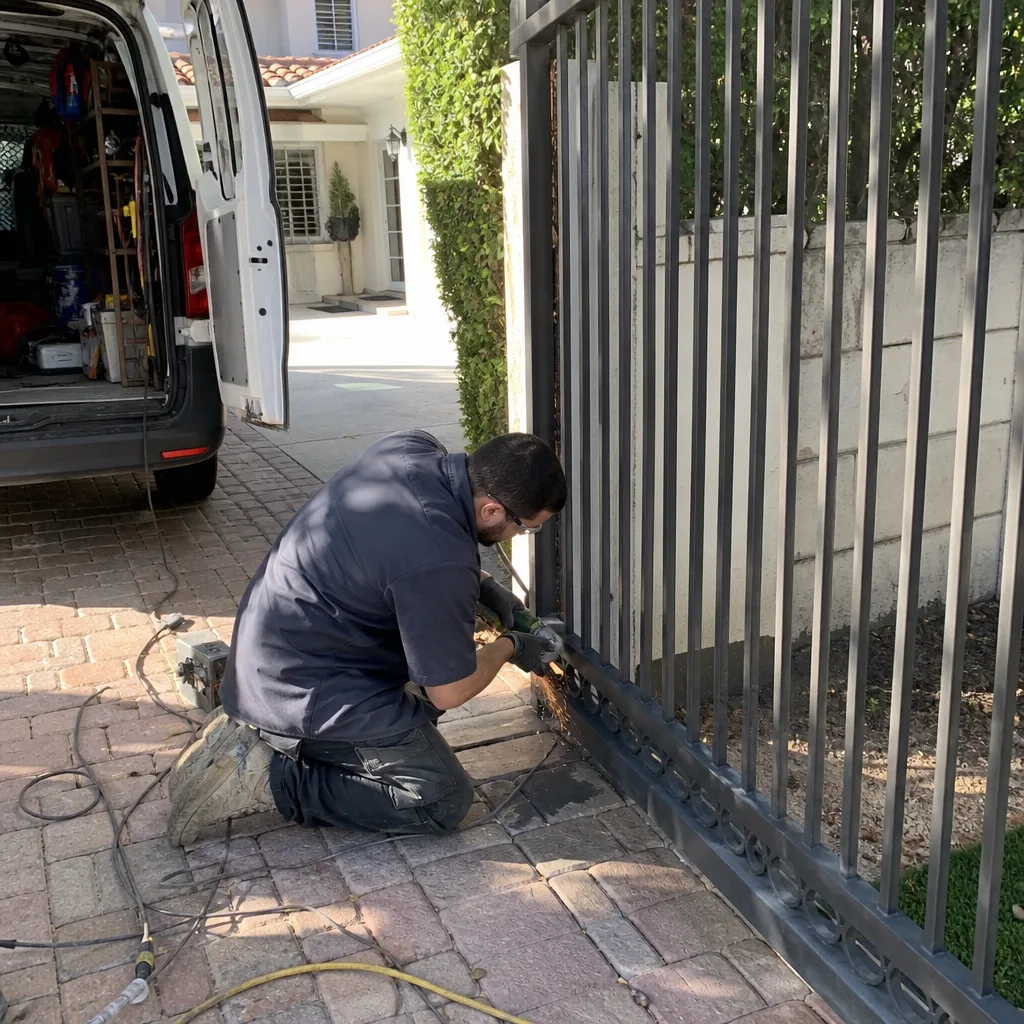
- Why Miami Beach Gates Need a Different Calendar
- Pre-Hurricane Season Checklist: May 1-15
- Post-Storm Inspection Sequence
- Winter Occupancy Preparation: October Check
- Low Summer Usage: The Hidden Risk Period
- Lubricants and Corrosion in Marine Air
- Documentation: What to Record and When
- Common Mistakes to Avoid
- When to Call a Professional
- Frequently Asked Questions
- The Bottom Line
 Before
 After
AfterWhy Miami Beach Gates Need a Different Calendar
Most seasonal maintenance guides assume four seasons. Miami Beach has two operational periods for residential gates: high-stress hurricane season (June 1-November 30) and high-cycle winter occupancy (November 1-April 30). The summer months, when snowbirds depart and properties sit quieter, create a third condition - low-usage dormancy - that most generic guides miss entirely.
The climate specifics matter. Miami Beach sits on a barrier island with average relative humidity above 74% year-round and salt spray penetration reaching several blocks inland during onshore flow events. The city’s building code, adapted from the Florida Building Code with Miami-Dade County amendments, requires wind-rated hardware for exposed gates, but code compliance at installation doesn’t guarantee performance after three years of chloride exposure. We’ve seen FAAC operators in South Pointe fail at 18 months because the original installer used standard-grade fasteners, and we’ve documented LiftMaster arm brackets in Mid-Beach with 40% material loss from galvanic corrosion where aluminum met stainless in salt air.
The limestone substrate also affects gate alignment differently than the clay soils of mainland Miami-Dade. Limestone dissolves unevenly; a gate post that was plumb in 2019 may lean 2 degrees by 2024 without any impact damage, simply from void formation beneath the footing. This shows up as binding in the operator arm, repeated limit-switch drift, or what homeowners describe as “the gate sounds different.”
Our documentation from 2014 forward shows two clear patterns: hurricane-season failures cluster around power-surge damage to control boards and physical impact from wind-borne debris, while winter-season failures cluster around high-cycle wear in hinges, rollers, and gearboxes as occupancy density triples. The maintenance tasks for each period barely overlap.
Pre-Hurricane Season Checklist: May 1-15
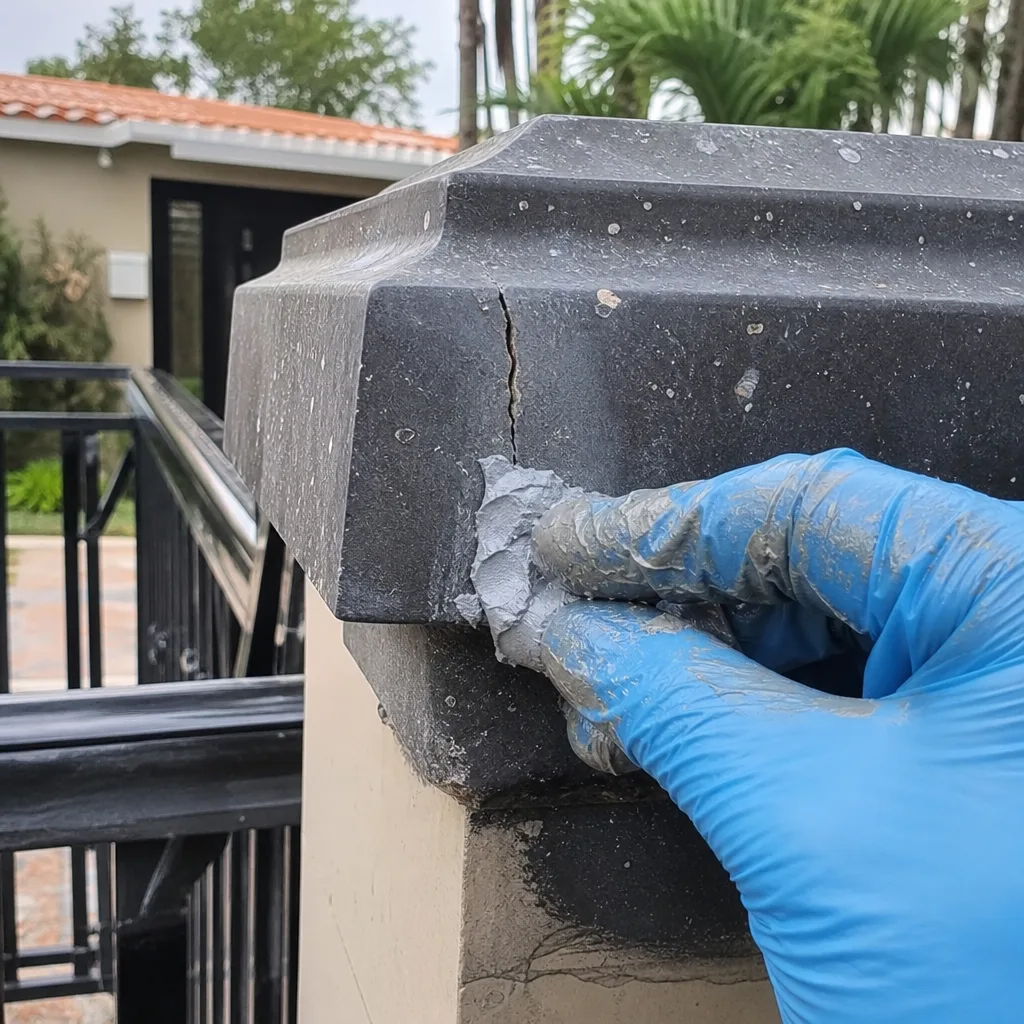
We complete this checklist on every gate repair in Miami Beach during April and May. Homeowners can perform the visual portions; the electrical and torque checks require calibrated tools we bring on every pre-season visit.
Mechanical Inspection
- Fastener torque verification. Every bolt in the gate frame, operator mount, and arm bracket gets checked against manufacturer spec with a calibrated torque wrench. In Miami Beach, thermal cycling and vibration loosen fasteners faster than inland locations. For a typical swing gate, we check 12-16 critical fasteners; for a slide gate, 18-24. Common findings: arm bracket bolts at 70% of spec, hinge pins with back-off rotation visible. We torque, mark with paint pen, and photograph.
- Operator housing seal inspection. Remove the operator cover (power off, locked out) and examine the gasket for compression set, cracking, or displacement. On Linear and Viking operators, the gasket channel traps water if the drain holes are blocked - we clear them with a piece of solid-core wire, never compressed air, which can drive debris deeper. Pass/fail: gasket rebounds to original shape when compressed, no light visible through seal path when cover is closed.
- Physical travel limit verification. Run the gate to full open and full close. Measure actual travel against the operator’s programmed limit. In our records, 23% of pre-season checks in Miami Beach show limit drift of 3+ inches from original setting, usually from post movement or hinge wear. We reset, test the safety reverse, and record the new limit-switch position in degrees.
Electrical and Backup Systems
- Battery backup load test. Disconnect AC power. Time the gate through 5 complete cycles on battery alone. Pass threshold: 3+ cycles for a single swing, 2+ cycles for a dual swing or slide gate with 16-foot opening. Fail threshold: gate slows visibly on cycle 1 or fails to complete cycle 2. We replace batteries that fail, document the test date, and note the battery model installed. In Miami Beach heat, battery life runs 18-24 months, not the 3-4 years common in temperate climates.
- Control board surge protection check. Examine the MOV (metal oxide varistor) if visible, or test clamping voltage with a surge simulator. After Hurricane Irma in 2017, we replaced 340+ control boards in Miami Beach; most had no external surge protection. We now install secondary protection on every board we touch, and we photograph the installation.
- Photo-eye alignment and response time. Misalignment by even 1 inch in Miami Beach’s high-humidity environment causes false triggers when moisture scatters the infrared beam. We align to manufacturer spec, clean lenses with isopropyl alcohol, and test response with a 6-inch obstruction at full travel speed. The gate must reverse within 2 seconds.
Under Vance Gate Repair Miami Beach home policy and Haven Standard Clause 4, every pre-season visit leaves a photographed record: fastener torque values, battery test results, limit-switch settings, and any adjustments made. The homeowner receives a copy; we file the master.
Post-Storm Inspection Sequence
After a named storm passes, the instinct is to clear debris and resume normal use. We’ve documented cases where this caused secondary damage - a gate with a cracked weld that separated completely when cycled, a control board that failed catastrophically when powered up with moisture in the enclosure. The sequence matters.
Before Power Is Restored
- Visual damage survey. Walk the full gate path. Look for: impact damage to pickets or panels, debris lodged in the track (slide gates), bent or displaced guide rollers, displaced or cracked footing concrete, and any new lean in posts. Photograph everything before moving anything. In Miami Beach, we’ve seen storm surge deposit coral rock fragments in slide-gate tracks; operating before clearing them destroys the nylon rollers.
- Electrical hazard check. If the operator was submerged or the enclosure shows water line staining, do not energize. Salt water conductivity makes energized components lethal and causes rapid corrosion of control boards even if they appear to function initially. We disconnect, dry, and test insulation resistance with a megohmmeter before re-energizing. Minimum acceptable: 1 megohm to ground.
- Structural integrity verification. Attempt to move the gate by hand (operator disengaged). It should travel smoothly through full range. Binding, catching, or new resistance indicates hidden damage - bent arm, shifted post, or damaged hinge. Operating the motor against this resistance strips gearbox teeth.
Power-Up Sequence
- Restore AC power with operator still disengaged.
- Verify control board powers without fault codes.
- Test safety systems (photo-eye, edge sensor, current sensing) in manual mode.
- Re-engage operator and run a single slow-speed cycle.
- Listen for abnormal noise; measure current draw against baseline if recorded.
- If all checks pass, run 5 normal-speed cycles and record performance.
We provide this as a gate repair in Miami Beach emergency service after every major storm. The 365-Day Done Right Promise covers any repair we perform; if storm damage reveals pre-existing issues we missed, we make it right.
Winter Occupancy Preparation: October Check
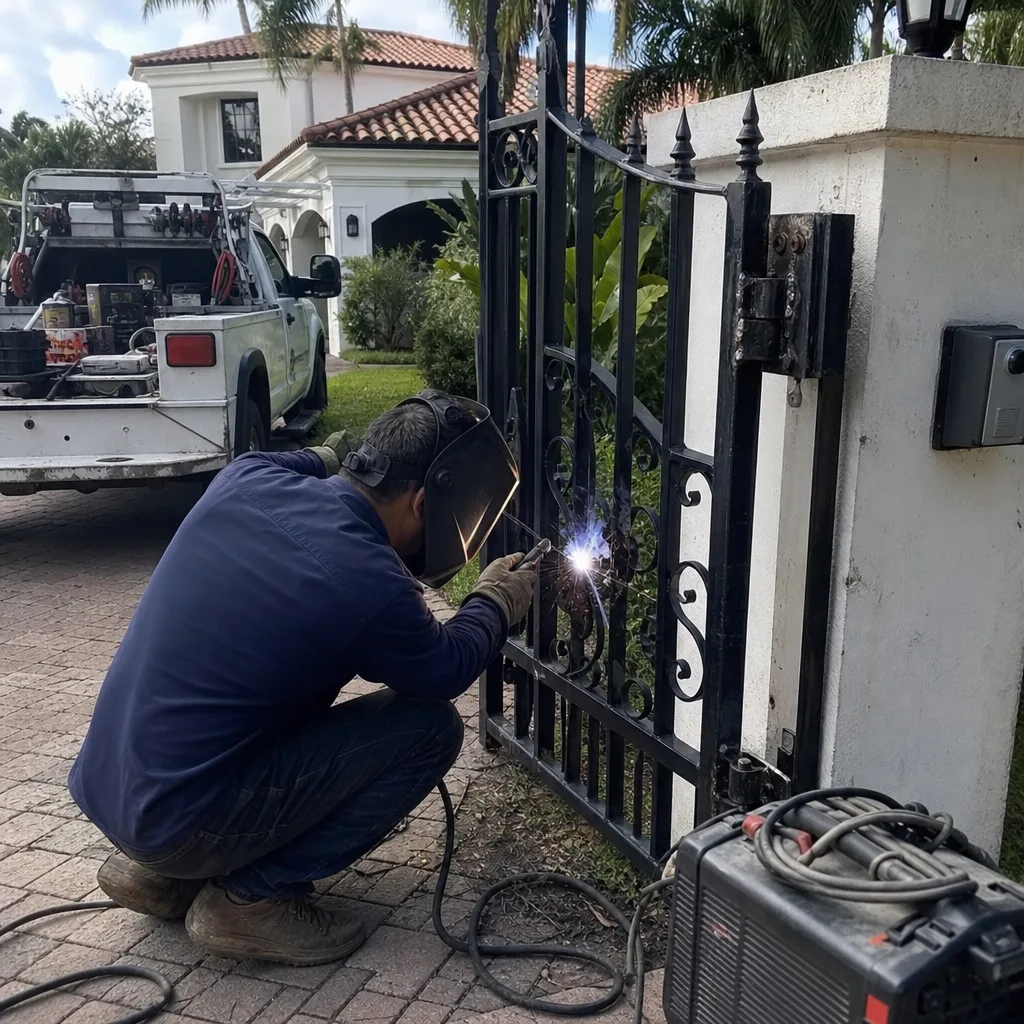
Between November 1 and April 15, Miami Beach’s population roughly doubles. Gates that cycled 8 times daily in August now cycle 25-30 times. The failure mode shifts from corrosion and dormancy to mechanical wear and access-control complexity.
High-Cycle Wear Points
- Hinge bushings: Bronze or polymer bushings in coastal gates wear faster due to grit embedment from salt spray. We measure lateral play at the gate leaf; more than 3/16 inch indicates replacement needed before high-cycle season.
- Operator gearbox backlash: Excessive backlash causes hunting - the gate overshoots, reverses, re-approaches. In high-cycle season this accelerates wear and frustrates users. We measure backlash with a dial indicator and rebuild or replace gearboxes that exceed manufacturer spec.
- Chain or belt tension (slide gates): Thermal expansion in Miami Beach’s 40-degree annual temperature swing loosens drive chains. We tension to spec and verify with a frequency meter; a loose chain jumps sprocket teeth under load.
Access Control and Remote Systems
Part-time residents returning for season often find remotes non-functional - not from failure, but from code drift, battery depletion, or interference from new construction. Our October check includes:
- Remote battery voltage test. Replace at 2.8V or below for 3V lithium remotes.
- Code verification. Test every remote, keypad, and vehicle sensor against the receiver. Document which codes are active; purge unused codes to prevent lockout from memory overflow.
- Timer and schedule review. Many Miami Beach properties use automatic open/close timers for pool gates or service entrances. We verify sunrise/sunset tracking is active (not fixed-time, which drifts seasonally) and that holiday overrides won’t conflict with expected usage.
- Visitor access preparation. For properties with intercom or telephone entry systems, we test call routing to the owner’s winter number and verify the directory is current. Nothing erodes property manager confidence like a delivery driver stuck at a gate with a non-functional call button.
We also document the system’s state before any changes - under Haven Standard Clause 4, the homeowner receives a photo log of every code tested, every battery replaced, and every timer setting verified.
Low Summer Usage: The Hidden Risk Period
The period from May through October, paradoxically, creates failures that only appear when owners return in November. Low-cycle operation allows problems to develop undetected.
Dry seals and gaskets. Gate operator seals need periodic compression and release to maintain elasticity. A gate that sits open for three weeks in July may develop a compression set in the housing gasket; the next storm drives water past it. We recommend cycling every gate through a full open-close cycle weekly during absence, or scheduling a monthly visit for unoccupied properties.
Battery sulfation. Backup batteries in standby without periodic load develop sulfate crystals that reduce capacity. A battery that tests “good” at float voltage may fail under load. Our monthly service for absentee owners includes a loaded cycle test, not just voltage check.
Salt accumulation without flushing. Regular gate operation shakes loose salt deposits; stillness allows buildup. We’ve seen hinge pins in North Beach properties seize solid after 90 days of non-use, requiring cutting and replacement rather than lubrication. For absentee owners, we apply a corrosion inhibitor before departure and schedule a mid-summer cleaning.
Insect and wildlife intrusion. Operator enclosures, control boxes, and conduit openings become nesting sites when undisturbed. We document a case from 2022: a BFT operator in Sunset Harbour failed when geckos nested in the heat sink, causing thermal shutdown. The enclosure’s damaged gasket (from UV exposure) allowed entry. We replaced the gasket, cleaned the board, and installed mesh screens over ventilation openings.
For gate installation in Miami Beach on new properties, we specify marine-grade enclosures with positive-pressure ventilation - a small fan maintains outward airflow, preventing insect entry and reducing internal humidity.
Lubricants and Corrosion in Marine Air
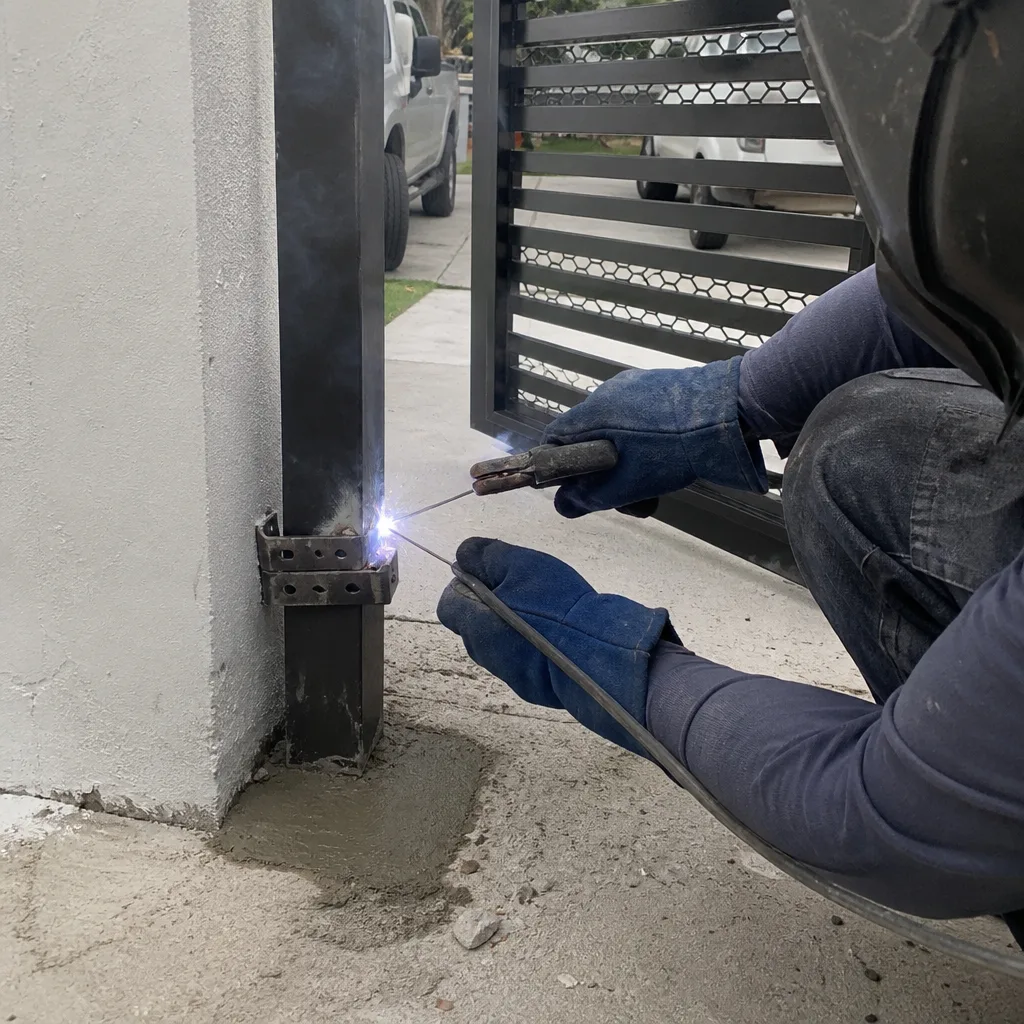
The most common maintenance mistake we correct in Miami Beach is wrong lubricant selection. Standard lithium greases contain thickeners that react with chloride ions, forming conductive paths that accelerate galvanic corrosion. The white lithium grease that works fine in Orlando destroys aluminum operator housings in Miami Beach within two seasons.
Compatible Products
- Operator gears and chains: Synthetic hydrocarbon grease with calcium sulfonate thickener (Mobil SHC Polyrex 462 or equivalent). Temperature range -40°F to 350°F, excellent washout resistance, no metal soap reactivity.
- Hinge pins and bushings: PTFE-based dry film lubricant (Boeshield T-9 or equivalent) applied to clean, dry surfaces. Forms a waxy film that doesn’t attract grit. Reapply every 90 days in coastal exposure.
- Slide gate track: No lubricant. Lubricant attracts sand and salt, forming abrasive paste. Clean with solvent, leave dry. Nylon or UHMW rollers are self-lubricating.
- Stainless fasteners: Anti-seize compound with nickel or copper base (never aluminum-based, which galvanically corrodes stainless in salt air). Apply sparingly to threads during assembly or re-torque.
Incompatible Products
- White lithium grease (any brand): Metal soap thickener reacts with chloride; separates under salt spray exposure.
- WD-40 as lubricant: Penetrant, not lubricant. Evaporates, leaves residue that attracts moisture. Acceptable for cleaning only, followed by proper lubricant.
- Graphite on outdoor mechanisms: Promotes galvanic corrosion between dissimilar metals; conductive particles bridge insulating surfaces.
Under Haven Standard Clause 1, we specify the lubricant product by name in every written scope where lubrication is included. No “lubricate as needed” - we name the product, the application points, and the quantity.
Documentation: What to Record and When
The documentation habit Adrian Vance developed on commercial access-control sites in 2014 applies to every residential gate we touch. The record protects the homeowner from paying twice for the same diagnosis and protects the next technician from starting blind.
Pre-Hurricane Season (May)
- Torque values for all critical fasteners, with paint-pen verification photo
- Battery load test result: cycles completed, voltage under load, replacement if failed
- Limit switch positions in degrees (open and close)
- Photo-eye alignment measurement and response time
- Control board surge protection status
- Any adjustments made, with before/after photos
Post-Storm (As Needed)
- Damage survey photos with timestamps
- Insulation resistance test result (if water exposure suspected)
- Power-up sequence checklist with sign-off
- Current draw baseline if operator was replaced or rebuilt
Winter Preparation (October)
- Hinge bushing wear measurement
- Gearbox backlash measurement
- Chain/belt tension frequency
- Active remote/keypad code list
- Timer settings and holiday override schedule
- Intercom directory and call routing verification
The homeowner receives a printed or PDF copy; we retain the master. For properties we service regularly, this creates a maintenance history that predicts failures before they occur - a hinge pin showing 0.10 inch wear per year will need replacement in 18 months, and we can schedule it before the busy season.
Common Mistakes to Avoid
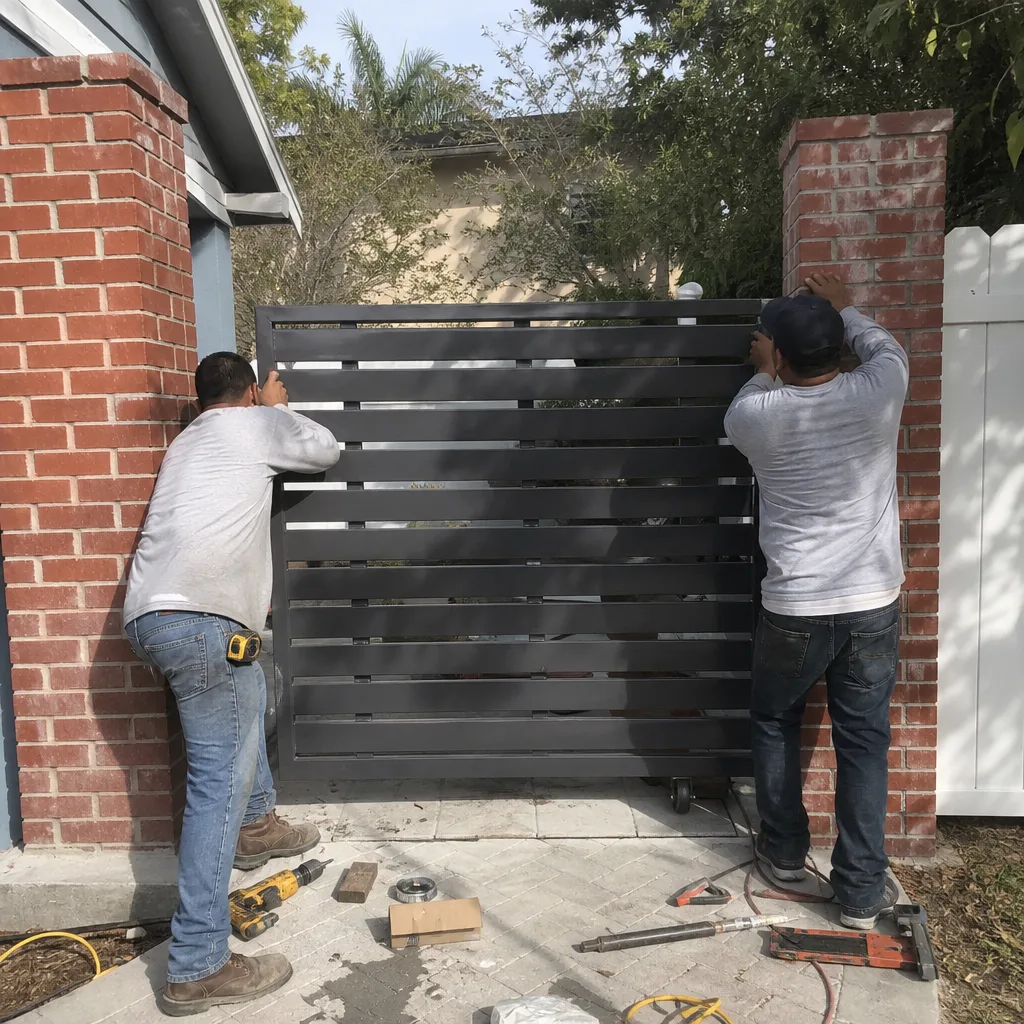
- Lubricating just before hurricane season with the wrong product. Fresh grease traps salt particulate against seals; the wrong thickener accelerates corrosion. Time lubrication for October, after storm risk, with chloride-compatible product.
- Ignoring the gate during summer absence. Low usage causes seal compression set, battery sulfation, and salt buildup. Schedule monthly cycling or a service visit.
- Powering up after flooding without inspection. Salt water in enclosures causes delayed control board failure even if the gate operates initially. Test insulation resistance first.
- Using mainland maintenance schedules. A guide written for four-season climates will have you checking frost heave and de-icing hardware that doesn’t exist in Miami Beach. Focus on salt, humidity, and storm exposure instead.
- Replacing failed components without checking alignment. A motor that “failed” often suffered from post lean or hinge wear that overloaded it. Replacing the motor without fixing the root cause guarantees repeat failure.
- Skipping torque verification after any adjustment. Vibration in coastal gates loosens fasteners faster than inland. A torque wrench check takes 10 minutes; a callback for a loose arm bracket costs a full trip.
- Accepting verbal estimates for seasonal maintenance. Without written scope and price, you cannot verify what was included or hold the provider accountable. Haven Standard Clause 1 exists because we’ve seen too many “tune-ups” that omitted battery testing or limit verification.
When to Call a Professional
Some gate issues in Miami Beach require immediate professional attention: any gate that has been submerged or shows water line staining on the operator, any structural lean or crack in concrete footings, any control board that shows burn marks or melted components, and any safety system that fails to reverse the gate on obstruction. These are not maintenance items; they are safety hazards.
We also recommend professional service when the gate makes a noise you cannot identify, when the same problem recurs within 30 days of any repair, or when you’re preparing a property for seasonal absence and need documented verification of system status for insurance or property management purposes - see DIY vs Professional Gate Repair: The Miami Beach Homeowner’s Decision Guide for help deciding.
Vance Gate Repair Miami Beach offers free estimates in Miami Beach - call (786) 371-2767. Every estimate includes a written scope and price before any work begins, under Haven Standard Clause 1. We service nine major automation brands including gate motor & opener in Miami Beach systems from LiftMaster, FAAC, BFT, Linear, and others, and we leave a documented photo record on every visit.
Frequently Asked Questions
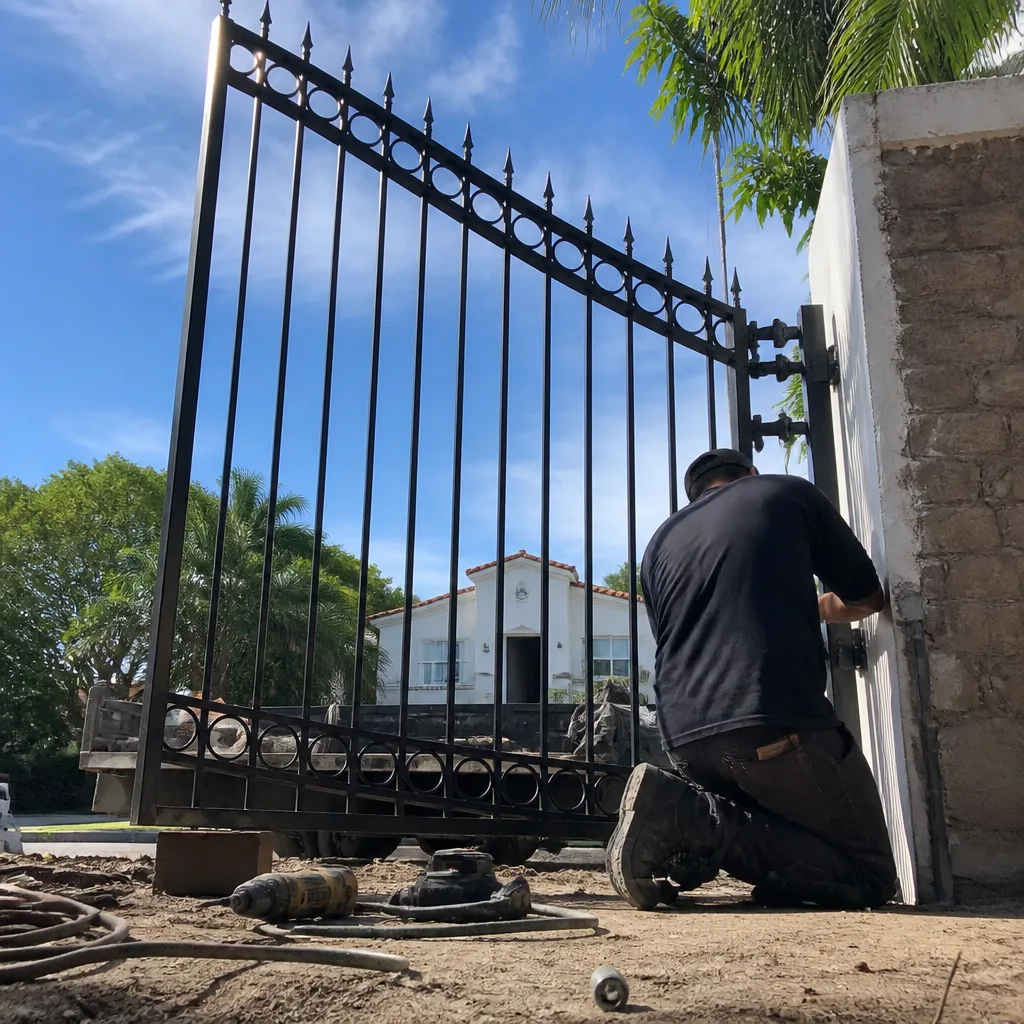
Seasonal maintenance for a typical residential swing gate in Miami Beach runs $180-$340, depending on access control complexity and whether battery replacement is needed. Slide gates and dual operators run $240-$420. We provide a written price before starting any work; the estimate is free. Call (786) 371-2767 for exact pricing on your system.
Visual inspection and debris clearing are homeowner-appropriate. Torque verification, battery load testing, and control board surge protection checks require calibrated tools and electrical safety training. We recommend professional service for the electrical and mechanical verification portions; the cost of a missed battery failure during a power outage exceeds the maintenance visit price.
Minimum once per week for a full open-close cycle. This maintains seal elasticity, prevents hinge seizure, and exercises the backup battery. For absences longer than 60 days, we offer a monthly visit service that includes cycling, visual inspection, and loaded battery test with documentation for your records.
The most common cause is battery sulfation from summer standby combined with salt accumulation in hinges or track. The battery tests at acceptable voltage but fails under load; the gate binds from corrosion; the operator overloads and faults. An October preventive visit identifies these issues before your return.
Use synthetic hydrocarbon grease with calcium sulfonate thickener on gears and chains, and PTFE-based dry film on hinges. Avoid white lithium grease, WD-40 as a lubricant, and graphite. We specify the exact product in every written scope; if you’re maintaining the gate yourself, we can recommend specific products compatible with your operator brand.
We service nine major brands: LiftMaster, FAAC, BFT, Linear, Viking, Ghost Controls, DoorKing, Elite, and Mighty Mule. We do not steer customers toward replacement when repair is viable; our written scope will specify repair options and replacement options with prices for both when applicable.
The Bottom Line
Miami Beach gate maintenance follows two cycles, not four seasons. Complete your pre-hurricane mechanical and electrical inspection by May 15, with specific attention to fastener torque, operator seals, and battery load testing. After any named storm, follow a structured power-up sequence to avoid secondary damage. Prepare for winter high-cycle usage with an October inspection of wear points, access codes, and timer settings. During low-usage summer months, prevent dormancy damage with weekly cycling or scheduled professional visits. Use chloride-compatible lubricants only, and demand written documentation of every inspection and adjustment. The cost of preventive maintenance is predictable; the cost of emergency repair after a failure is not.
Written by Adrian Vance, Owner at Vance Gate Repair Miami Beach, serving Miami Beach since 2014. Explore more guides & resources on our blog.